Monk Fruit vs Erythritol vs Allulose: Best Keto Sweetener
Monk fruit vs erythritol vs allulose compared: all three have near-zero net carbs and 0-0.2 glycemic index. See which keto sweetener wins for taste and baking.

Editorial Team · January 21, 2026 · 5 min read
Last updated May 29, 2026
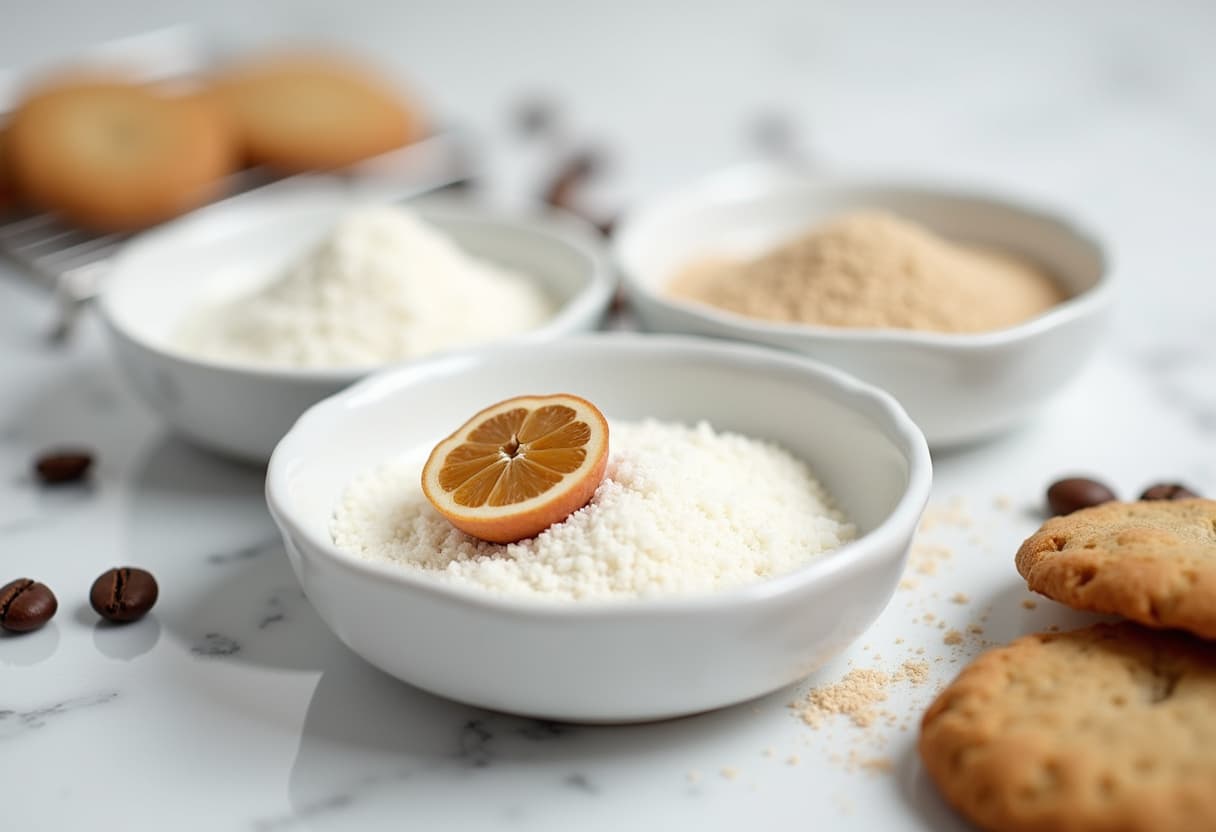
If you've walked down the baking aisle lately, you know the keto sweetener shelf has exploded. Three names dominate the conversation: monk fruit, erythritol, and allulose. Here's how they actually compare and which one belongs in your kitchen.
For keto, all three are excellent because they have a glycemic index near zero and essentially no impact on blood sugar. Monk fruit extract and erythritol both count as 0 net carbs (erythritol delivers ~0.2 cal/g, monk fruit ~0), while allulose has about 0.4 cal/g and 0 net carbs since your body doesn't metabolize it. The best single pick is a monk fruit + erythritol blend for everyday sweetening with no aftertaste, or pure allulose when you need real sugar-like browning and texture in baking.
Quick comparison table
| Sweetener | Net carbs (per tsp) | Calories | Glycemic index | Sweetness vs sugar | Best for |
|---|---|---|---|---|---|
| Monk fruit (pure extract) | 0 g | ~0 | 0 | 150-200x | Drinks, blends |
| Erythritol | 0 g | ~0.8 (0.2 cal/g) | 0 | 60-70% | Bulk, everyday use |
| Allulose | 0 g | ~1.6 (0.4 cal/g) | 0-1 | 70% | Baking, caramel, ice cream |
| Monk fruit + erythritol blend | 0 g | ~0.8 | 0 | 1:1 with sugar | All-purpose |
All three sit far below table sugar, which has about 4 g of carbs and 16 calories per teaspoon and a glycemic index around 65.
Monk fruit: tiny servings, big sweetness
Monk fruit (luo han guo) gets its sweetness from compounds called mogrosides, which are 150 to 200 times sweeter than sugar. Because you use such a small amount, pure monk fruit extract contributes virtually no carbs or calories and won't budge your blood sugar.
The catch is that pure extract is too concentrated to measure into recipes, so it's almost always sold blended with a bulking agent, usually erythritol. Some people detect a faint fruity or licorice-like note from monk fruit, but most find it the cleanest-tasting of the high-intensity sweeteners. It's a strong choice for coffee, tea, and smoothies.
Erythritol: the workhorse bulk sweetener
Erythritol is a sugar alcohol your body absorbs but doesn't metabolize for energy. Roughly 90% is excreted unchanged in urine, which is why it has a glycemic index of 0 and only about 0.2 calories per gram. That's also why it tends to be gentler on digestion than other sugar alcohols like maltitol or xylitol.
In the monk fruit vs erythritol debate, the honest answer is they're teammates, not rivals. Erythritol provides the volume and the spoon-for-spoon convenience; monk fruit (or stevia) provides concentrated sweetness so the blend matches sugar 1:1.
Erythritol's two downsides: a cooling, mint-like aftertaste at high doses, and a tendency to recrystallize, which can make cooled baked goods gritty or dry. Some people also experience gas or bloating when they eat a lot of it at once.
Allulose: the baker's secret weapon
Allulose is a "rare sugar" found naturally in small amounts in figs, raisins, and wheat. It's about 70% as sweet as sugar but, critically, your body absorbs it and then excretes it largely unused, so it delivers roughly 0.4 calories per gram and a glycemic index near 0.
What sets allulose apart in the allulose vs erythritol matchup is behavior, not just numbers. Allulose:
- Browns and caramelizes like real sugar (great for cookies, caramel, crème brûlée)
- Keeps baked goods soft and moist instead of dry
- Dissolves smoothly with no cooling aftertaste and no recrystallization
- Makes keto ice cream that stays scoopable straight from the freezer
The trade-offs are cost (it's typically the priciest of the three) and digestive tolerance: research suggests staying under about 0.4 grams per kilogram of body weight per sitting to avoid GI upset. It's also slightly less sweet than sugar, so recipes often call for a bit more.
Which keto sweetener should you actually use?
Think about the job, not just the label:
- Coffee, tea, sauces, dressings: Monk fruit blend or pure liquid monk fruit. Fast, clean, zero grit.
- Everyday 1:1 sugar swap: Monk fruit + erythritol blend (brands like Lakanto and Besti sell these). It's the most foolproof entry point.
- Cookies, cakes, caramel, ice cream: Allulose, for browning and moisture. Worth the price when texture matters.
- Sensitive stomach: Start with smaller amounts of any of them; erythritol and allulose are the two most likely to cause bloating in large servings.
A practical "best of both worlds" trick used in many keto recipes is to combine allulose (for texture and browning) with a pinch of monk fruit (to boost sweetness without adding more bulk).
A note on net carbs and labels
Nutrition labels in the U.S. list sugar alcohols and allulose, but they're handled differently. Erythritol is a sugar alcohol you can typically subtract in full when calculating net carbs. Allulose is no longer counted as a regular sugar or total carb by the FDA, so many labels already show it at low or zero impact. Either way, for ketosis the practical answer is the same: these three won't spike your blood sugar.
The smartest move is to verify how your specific product affects you. Log your sweetener and the recipe in CarbMeNot, check the net carbs it assigns, and if you test blood glucose, note your reading 30 to 60 minutes later. Most people see a flat line with all three, but tracking it in CarbMeNot turns "should be fine" into proof you can trust for your own keto numbers.
Frequently asked questions
- What is the best keto sweetener overall?
- For most people, a monk fruit and erythritol blend is the best all-around keto sweetener: it has zero net carbs, no aftertaste from monk fruit, and measures like sugar thanks to erythritol's bulk. If you bake often and want soft, browned results, allulose is the better single choice because it caramelizes and stays moist, though it costs more.
- Does erythritol kick you out of ketosis?
- No. Erythritol has a glycemic index of 0 and does not raise blood sugar or insulin, so it will not break ketosis. About 90% of it is absorbed and excreted unchanged in urine, and it contributes roughly 0.2 calories per gram. Most keto guides count it as zero net carbs.
- Is allulose better than erythritol for baking?
- Yes, for texture. Allulose browns and caramelizes like real sugar and keeps baked goods soft, while erythritol can recrystallize and leave a gritty, dry result with a cooling aftertaste. Allulose is more expensive and slightly less sweet than sugar, so you may need a bit more.
- Why does erythritol have a cooling aftertaste?
- Erythritol absorbs heat as it dissolves in your mouth, producing a mild menthol-like cooling sensation. This is most noticeable in high concentrations, like frostings or raw doughs. Blending it with monk fruit or allulose, or using it dissolved in liquids, largely masks the effect.
- Are monk fruit, erythritol, and allulose safe?
- All three are recognized as safe by the FDA and have no impact on blood glucose. The main side effect is digestive: large amounts of erythritol can cause gas or bloating in some people, and allulose may do the same above about 0.4 grams per kilogram of body weight. Monk fruit extract is well tolerated since servings are tiny.
Sources
Keep reading
Free tools: Is It Keto? checker · macro calculator · protein calculator · 7-day meal plan PDF