Keto Results Timeline: What to Expect Week by Week
A realistic keto weight loss timeline: 2-6 lbs of water weight in week 1, then 1-2 lbs of fat per week, and what 30 days of keto actually delivers.

Editorial Team · December 22, 2025 · 5 min read
Last updated June 9, 2026
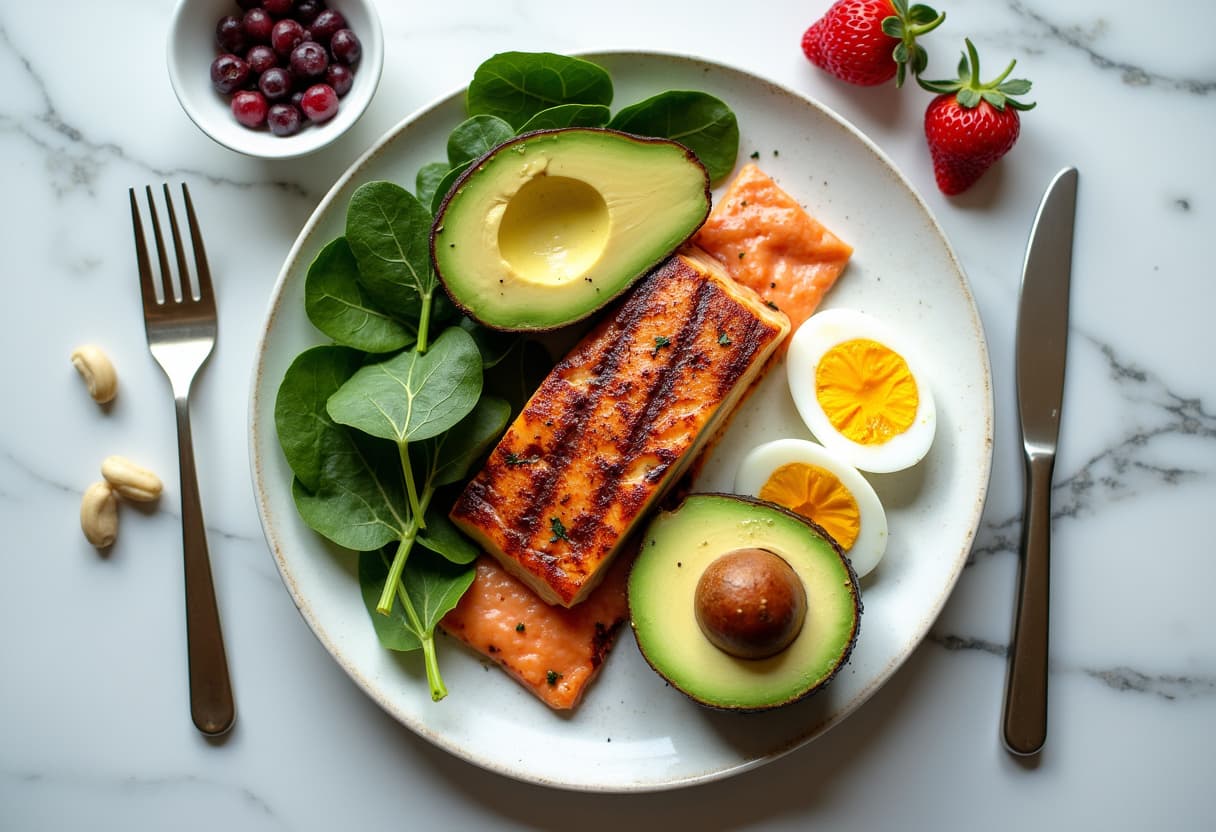
Starting keto and wondering when the scale will actually move? The first month follows a fairly predictable pattern, and knowing it keeps you from quitting during the slow stretches.
On a typical keto weight loss timeline, you'll drop 2-6 pounds of water weight in the first week as glycogen empties, then lose roughly 1-2 pounds of fat per week once you're in ketosis. A realistic low carb diet result after 1 month is 8-15 pounds total, with people who have more to lose often hitting 12-20 pounds. The keto flu typically peaks around days 2-4, and steady, predictable fat loss settles in by weeks 3-4.
Week 1: Water Weight and the Whoosh
The first week produces the most dramatic scale change, and almost none of it is fat. Every gram of stored glycogen holds about 3 grams of water, so as you deplete your carb stores you flush several pounds of water. This is why people report losing 4, 5, even 8 pounds in seven days and feel "deflated" in a good way.
By days 2-4, many people hit the keto flu as the body transitions from glucose to fat for fuel. Headaches, fatigue, irritability, and brain fog are the classic signs. The fix is almost always electrolytes and hydration, not willpower:
| Electrolyte | Daily target on keto | Easy sources |
|---|---|---|
| Sodium | 3,000-5,000 mg | Broth, salted food, pickle juice |
| Potassium | 3,000-4,000 mg | Avocado, spinach, salmon |
| Magnesium | 300-400 mg | Nuts, leafy greens, supplement |
Drink to thirst plus a little extra, and salt your food liberally. Most keto-flu misery disappears within a day of fixing electrolytes.
Week 2: Entering Ketosis and the Adjustment Phase
By the end of week 1 or into week 2, blood ketones typically rise into nutritional ketosis (0.5-3.0 mmol/L). The early water whoosh slows down, and this is where a lot of people panic and assume keto "stopped working." It didn't, the easy water is just gone.
Energy often dips before it climbs. Workouts can feel harder for a week or two as your body builds the enzymes to burn fat efficiently, a process sometimes called becoming "fat-adapted." Expect about 0.5-2 pounds of scale movement this week, and don't read too much into a flat day or two.
Weeks 3-4: Fat-Adaptation and Steady Keto Results
This is where keto starts to feel effortless instead of like a chore. Most people report by weeks 3-4:
- More stable energy with fewer crashes between meals
- Reduced cravings and genuine appetite suppression
- Sharper focus once brain fog clears
- Steadier, more predictable fat loss of 1-2 pounds per week
Appetite suppression is the underrated keto result. Many people naturally eat less without counting, because protein and fat are satiating and stable blood sugar removes the hunger spikes. That said, "naturally eating less" only works if it actually creates a deficit, which is why tracking still matters.
30 Days of Keto: What the Scale Really Shows
Here's a realistic breakdown of a one-month timeline. Your numbers depend heavily on starting weight, since heavier bodies shed water and fat faster.
| Starting point | Typical 30-day loss | Notes |
|---|---|---|
| 50+ lbs to lose | 12-20 lbs | Large water drop + fast fat loss |
| 20-50 lbs to lose | 8-15 lbs | The most common range |
| Under 20 lbs to lose | 4-8 lbs | Slower, water swings hide progress |
Of that total, roughly the first 4-6 pounds are water that comes back the moment you eat carbs again, which is completely normal and not fat regain. The fat portion, the part you actually built in a calorie deficit, stays gone as long as the habits do. After 30 days of keto, most people also notice non-scale wins: looser waistbands, less bloating, and steadier energy.
Why Your Results Might Stall (and How to Fix It)
If the scale won't budge after the initial drop, it's almost always one of three things:
- Hidden carbs. Sauces, "keto" snack bars, nuts, and even some vegetables add up fast. Net carbs creeping past 30-50 grams quietly kicks many people out of ketosis. Audit a full day's intake before blaming your metabolism.
- Too many calories. Keto removes hunger, but fat is calorie-dense at 9 calories per gram. A handful of macadamias here and extra olive oil there can erase your deficit. Keto is not a license to ignore portions.
- Water retention noise. A bad night's sleep, a salty meal, hormones, or a hard workout can hide 2-3 pounds of fat loss behind temporary water. Weigh weekly averages, not single days.
This is exactly where tracking earns its keep. CarbMeNot logs your net carbs per meal and flags when a food quietly pushes you over your limit, so a single "harmless" snack doesn't stall a whole week.
Setting Realistic Expectations
Keto isn't magic, it's a tool that makes a calorie deficit easier to sustain through appetite control. The week-by-week pattern is real, but bodies differ. Plateaus happen, water masks progress, and the slowest weeks are often when fat loss is most consistent underneath. Judge progress over months, not mornings.
Want to see your own keto timeline play out instead of guessing? Track your net carbs, calories, and weight trend in CarbMeNot, and you'll know within a week or two exactly where your results stand, and what to adjust if they stall.
Frequently asked questions
- How long does it take to see results on keto?
- Most people see results within the first week, but it is mostly water weight as glycogen stores empty. Expect 2-6 pounds down in the first 5-7 days. Real fat loss begins around weeks 2-3, once you are reliably in ketosis, and runs roughly 1-2 pounds per week.
- How much weight can you lose in 30 days of keto?
- A typical low carb diet result after 1 month is 8-15 pounds, depending on your starting weight, calorie deficit, and water retention. People with more to lose often see 12-20 pounds in the first month, while those near their goal weight may lose 4-8 pounds. Roughly the first 4-6 pounds are water.
- Why am I not losing weight on keto after 2 weeks?
- The most common reasons are hidden carbs pushing you out of ketosis, eating too many calories even on keto foods, or normal water-weight fluctuations masking fat loss. Track everything for a week, confirm net carbs stay under 20-30 grams, and check that you are actually in a calorie deficit before changing anything else.
- When does the keto flu start and how long does it last?
- The keto flu usually starts on days 2-4 as your body switches from burning glucose to fat, and lasts 1-7 days for most people. Symptoms include fatigue, headache, irritability, and brain fog. Drinking more water and adding sodium, potassium, and magnesium electrolytes shortens and softens it dramatically.
- Is keto weight loss permanent or will it come back?
- The water weight from week 1 returns quickly if you add carbs back, which is why a 'whoosh' on the scale after a high-carb meal is normal and not real fat regain. The fat you lose in a sustained calorie deficit is permanent as long as you maintain the habits. Long-term results depend on consistency, not the diet name.
Sources
Keep reading
Free tools: Is It Keto? checker · macro calculator · protein calculator · 7-day meal plan PDF