Intermittent Fasting and Keto: How to Combine Them (2026)
How to combine intermittent fasting and keto: schedules, benefits, beginner tips, and what breaks a fast. A practical keto and intermittent fasting guide.

Editorial Team · April 12, 2026 · 6 min read
Last updated May 26, 2026
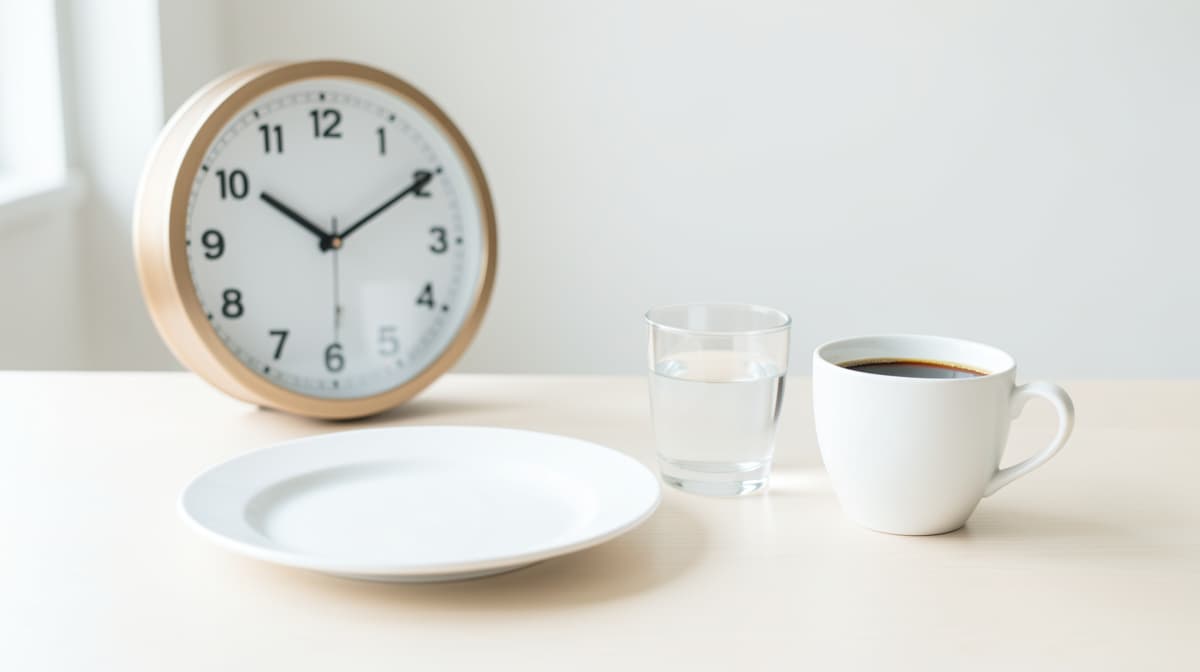
Intermittent fasting (IF) and keto pair well because both lower insulin and push your body toward burning fat, so combining them can deepen ketosis and simplify eating. The most common approach is a ketogenic diet plus a 16:8 window, meaning 16 hours of fasting and an 8-hour eating window each day. Done sensibly, they reinforce each other.
| Fasting method | Schedule | Best for |
|---|---|---|
| 16:8 | 16 hours fasting, 8-hour eating window daily | Beginners; the easiest sustainable starting point |
| 18:6 | 18 hours fasting, 6-hour eating window daily | Those comfortable with 16:8 wanting a deeper effect |
| OMAD | One meal a day (roughly a 23:1 window) | Experienced fasters who prefer simplicity |
| 5:2 | Normal eating 5 days, very low calories 2 days | People who dislike daily time-restricted eating |
How keto and intermittent fasting work together
The link between the two is insulin. Carbohydrates are the main driver of insulin, the hormone that signals your body to store fat and stop burning it. A ketogenic diet keeps carbs very low, so insulin stays low and your body shifts to burning fat for fuel, producing ketones in the process.
Intermittent fasting pulls the same lever from a different angle. When you go hours without eating, insulin drops and your body burns through stored glucose, then turns to fat. So keto lowers insulin through what you eat, and fasting lowers it through when you eat. Stack them and you spend more of the day in a fat-burning, ketone-producing state, which is why many people find the combination gets them into ketosis faster than either approach alone.
There's also a practical reason they fit together: keto blunts hunger. Steady energy and fewer blood-sugar swings make it far easier to skip breakfast and hold a fasting window without feeling miserable. The diet makes the fasting tolerable, and the fasting deepens the diet's effect.
Benefits of combining them
People combine keto and intermittent fasting for a few overlapping reasons:
- Faster, deeper ketosis. Fasting depletes glucose stores, so ketone levels tend to rise sooner and sit higher.
- Simpler days. Fewer meals means fewer decisions, less cooking, and less tracking. Two keto meals in an 8-hour window is easy to manage.
- Better appetite control. Both approaches stabilize blood sugar and reduce cravings, which makes eating less feel natural rather than forced.
- Easier calorie balance. A shorter eating window tends to reduce snacking, so many people eat less without counting every calorie.
These are the commonly reported benefits, and individual results vary. The combination is a tool, not a guarantee.
Popular fasting schedules
The right schedule is the one you can hold consistently. Most people start with 16:8, often by skipping breakfast and eating between noon and 8 p.m. It's flexible, social, and easy to sustain.
18:6 narrows the window further and suits people who've adapted to 16:8 and want a stronger effect. OMAD (one meal a day) is the simplest in theory but demands a large, well-planned meal to hit your nutrients, so it's better for experienced fasters. 5:2 takes a different shape entirely: you eat normally five days a week and keep calories very low on two non-consecutive days, which appeals to people who'd rather not restrict eating windows every single day.
There's no single best option. Pick the lightest version that still fits your life, then adjust.
How to start (beginner tips)
If you're new to both, ease in rather than flipping every switch at once:
- Get keto going first. Spend a week or two adapting to low-carb eating before adding a fasting window. Tackling both on day one is a common reason people quit.
- Begin with 16:8. Push your first meal back by an hour or two each day until you land on a comfortable window.
- Front-load your nutrients. Build your meals around protein, healthy fats, and low-carb vegetables so a shorter window still covers your needs. Dial in your keto macros so you're not under-eating.
- Mind your electrolytes. Sodium, potassium, and magnesium matter on keto and matter more while fasting. They blunt the early "keto flu" and the headaches that can come with longer fasts.
- Break your fast gently. A protein-and-fat-forward meal keeps you steady; a big carb hit defeats the purpose.
Consistency beats intensity. A 16:8 window you keep every day does more than an ambitious OMAD plan you abandon by Thursday.
What breaks a fast?
The simple rule: anything with calories or carbs breaks a fast. During your fasting window, stick to:
- Water (still or sparkling)
- Black coffee (no sugar, milk, or cream)
- Plain tea (unsweetened)
These have essentially no calories and don't raise insulin meaningfully, so they keep you in the fasted state, and they help with the hunger that shows up in the first hour or two. What does break a fast: sugar, milk, cream, juice, soda, bone broth, and "just a splash" of anything caloric. So-called bulletproof coffee with added butter or oil technically breaks a fast too, even if it keeps you in ketosis, because the calories switch off the metabolic benefits specific to fasting. If your goal is a true fast, keep your drinks clean. (For ideas during your eating window, see our guide to keto drinks.)
Who should be cautious
Combining keto and intermittent fasting isn't right for everyone. Be cautious, and check with a doctor first, if you are pregnant or breastfeeding, have type 1 or type 2 diabetes, take medication for blood sugar or blood pressure, are underweight, are an older adult at risk of muscle loss, or have any history of disordered eating. Fasting can lower blood sugar and blood pressure, so medication doses sometimes need adjusting, which is a conversation for your healthcare provider, not a thing to wing.
If you feel dizzy, unusually weak, or unwell, eat something and ease off. The goal is a sustainable routine, not a test of endurance.
Track your window and your carbs
The combination only works if two things stay on track: your carbs stay low enough for ketosis, and your eating window stays consistent. CarbMeNot is built for exactly that. Scan or search a food and the app shows your net carbs instantly, so you know you're actually low enough to stay in ketosis, and you can log when you eat to keep your fasting window honest. Instead of guessing whether that coffee or late-night snack broke your fast or blew your carb budget, you can see it. It turns "I think I'm doing keto and IF" into numbers you can trust.
Key takeaways
- Keto and intermittent fasting both lower insulin and drive fat-burning, so they reinforce each other.
- The most popular pairing is keto plus a 16:8 window (16 hours fasting, 8-hour eating window).
- Fasting can help you reach ketosis faster by depleting stored glucose.
- Water, black coffee, and plain tea are fine during a fast; anything with calories or carbs breaks it.
- Start with keto first, then add a 16:8 window, and mind your electrolytes.
- It's safe for most healthy adults, but consult a doctor if you're pregnant, diabetic, underweight, or on medication.
- Tracking your carbs and your eating window with CarbMeNot is the simplest way to keep both on target.
Frequently asked questions
- Can you do intermittent fasting on keto?
- Yes, and the two work well together. Both keto and intermittent fasting lower insulin and push your body toward burning fat, so they reinforce each other. A common pairing is a ketogenic diet with a 16:8 window: 16 hours of fasting and an 8-hour eating window. Start with one change at a time if you're new to both.
- Does fasting help you get into ketosis faster?
- Often, yes. Fasting keeps insulin low and depletes stored glucose, which is the same trigger that drives ketone production. Combining a fast with an already low-carb diet can shorten the time it takes to reach nutritional ketosis compared with diet alone, though individual results vary.
- What can you drink while fasting on keto?
- Stick to zero-calorie, zero-carb drinks: water, sparkling water, black coffee, and plain tea. These don't raise insulin meaningfully, so they won't break your fast. Adding sugar, milk, cream, or anything with calories or carbs ends the fasted state.
- Is keto and intermittent fasting safe?
- For most healthy adults, combining keto and intermittent fasting is safe and well tolerated. However, it isn't right for everyone. If you're pregnant, breastfeeding, diabetic, underweight, have a history of disordered eating, or take medication for blood sugar or blood pressure, talk to your doctor before starting.
Sources
Keep reading
Free tools: Is It Keto? checker · macro calculator · protein calculator · 7-day meal plan PDF