Lowest-Carb Cheese: 15 Keto Cheeses Ranked
Most hard cheeses have under 1g net carb per ounce. See 15 keto cheeses ranked by net carbs, plus the 'cheeses' that quietly stall keto.

Editorial Team · June 20, 2026 · 6 min read
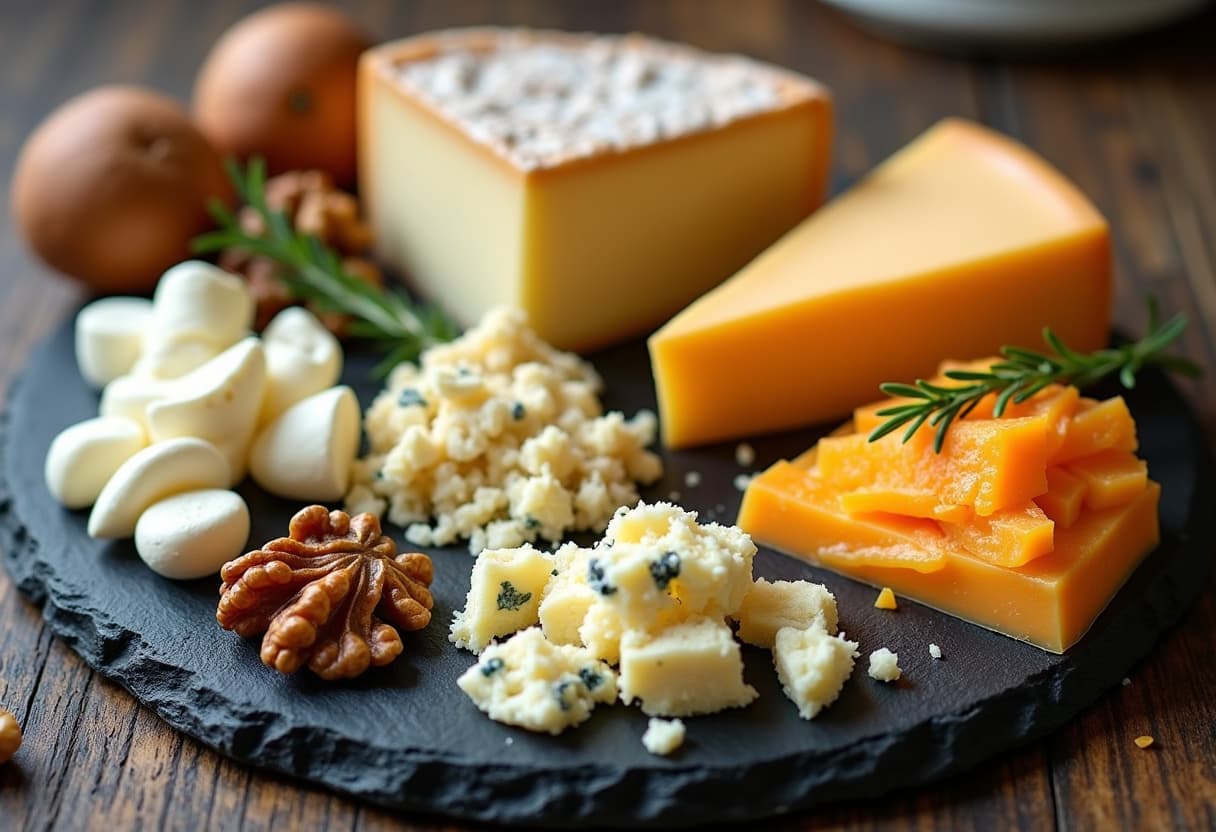
Cheese is the unofficial mascot of keto — high fat, high protein, almost no carbs. But "almost no carbs" hides a real spread: a wedge of parmesan and a tub of cottage cheese are not the same food on a ketogenic diet. The difference comes down to lactose, and aging.
The lowest-carb cheeses are aged, hard cheeses, where fermentation has eaten nearly all the lactose. Parmesan and Swiss are effectively 0g net carbs per ounce, and cheddar, gouda, brie, blue, gruyère, and provolone all land at roughly 0.4–1g per ounce — all firmly keto. Cream cheese (~1.5g per 2 tbsp) and mozzarella (~0.6g per oz) are fine in normal portions. The carby outliers to watch are cottage cheese (4–6g per ½ cup), ricotta (3–4g per ¼ cup), and processed American singles (~2g per slice). Below, 15 cheeses ranked from lowest carb to highest.
The 15 cheeses, ranked by net carbs
Values are USDA-based, per common serving. Hard cheeses are listed per 1 oz (28g, roughly a 4-dice cube or a small handful shredded); spreads and fresh cheeses per their typical serving.
| Cheese | Net carbs (per serving) | Protein | Keto verdict |
|---|---|---|---|
| Parmesan (1 oz, grated ≈ ¼ cup) | ~0.9g | 10g | Ideal — flavor bomb, basically lactose-free |
| Swiss / Emmental (1 oz) | ~0.4g | 8g | Ideal — among the lowest carb |
| Gruyère (1 oz) | ~0.4g | 8g | Ideal — melts beautifully |
| Cheddar, sharp (1 oz) | ~0.4g | 7g | Ideal — the keto default |
| Brie (1 oz) | ~0.1g | 6g | Ideal — soft but very low carb |
| Camembert (1 oz) | ~0.1g | 6g | Ideal |
| Blue cheese (1 oz) | ~0.7g | 6g | Ideal — big flavor, small portion |
| Gouda (1 oz) | ~0.6g | 7g | Ideal |
| Provolone (1 oz) | ~0.6g | 7g | Ideal |
| Goat cheese, aged (1 oz) | ~0.3g | 8g | Ideal |
| Mozzarella, whole-milk (1 oz) | ~0.6g | 6g | Great — watch shredded portions |
| Feta (1 oz) | ~1.2g | 4g | Great — brine adds a touch |
| Cream cheese (2 tbsp / 1 oz) | ~1.5g | 2g | Good — plain only, not flavored |
| Halloumi (1 oz) | ~0.5g | 7g | Great — grills without melting |
| Cottage cheese, low-fat (½ cup) | ~5g | 12g | OK in moderation — highest carb here |
| Ricotta, whole-milk (¼ cup) | ~3.5g | 7g | OK in moderation |
| American singles, processed (1 slice) | ~2g | 4g | Limit — processed, additives |
Why aged cheese has almost no carbs
Every carb in cheese is lactose — the sugar in milk. When milk is cultured, bacteria ferment that lactose into lactic acid, and the longer a cheese ages, the more lactose disappears. A hard, aged cheese like parmesan (aged 12–36 months) or aged cheddar has had nearly all its lactose consumed, which is why it tests at 0–1g net carb per ounce.
Fresh, unaged cheeses are the opposite. Cottage cheese, ricotta, and (to a lesser degree) cream cheese skip the long aging step, so more lactose stays behind. That single fact explains the whole ranking: hardness and age track inversely with carbs.
It also means cheese has effectively zero fiber and zero sugar alcohols — so on cheese, net carbs and total carbs are the same number. There's no "subtract the fiber" math to do.
The best keto cheeses by use case
You don't pick a cheese by carbs alone — you pick by what you're cooking.
- For snacking and cubes: sharp cheddar, gouda, and gruyère. High fat, satisfying, sub-1g.
- For melting: gruyère, mozzarella, and provolone melt clean. Mozzarella is the move for keto pizza and chaffles.
- For flavor with tiny portions: parmesan, blue, and feta. A half-ounce sprinkle transforms a dish for a rounding-error of carbs.
- For fat-loading: cream cheese, brie, and mascarpone are fat-forward and pair with fat bombs and sauces.
- For grilling: halloumi holds its shape on a grill or pan and brings 7g protein per ounce.
Which "keto" cheeses are sneakier than you think
A few items get a free pass they haven't earned.
- Cottage cheese is keto-friendly only in measured portions. Many tubs run 5–6g net carbs per half cup, and people rarely stop at half a cup. A full cup can hit 10–12g — a third of a strict 30g day.
- Ricotta is similar: light and innocent-looking, but 3–4g per quarter cup, and lasagna-sized portions stack quickly.
- Flavored cream cheese (honey, strawberry, "garden vegetable") adds sugar on top of dairy. Plain cream cheese is ~1.5g per 2 tbsp; some flavored spreads hit 3–5g.
- American "cheese" singles are processed cheese product with emulsifiers and around 2g of carbs per thin slice — five times a slice of real cheddar.
- Pre-shredded bagged cheese is dusted with potato or cellulose starch to stop clumping, adding a small but real carb bump. Block cheese you shred yourself is cleaner.
None of these will single-handedly break ketosis at one serving. The problem is portion creep and label blindness — which is exactly where a quick log keeps you honest.
What to avoid entirely
A short "skip it" list for strict keto:
- Sweetened cheese spreads and cheese-based desserts (cheesecake fillings sold in tubs, dessert mascarpone blends).
- Cheese sauces from a jar or packet — often thickened with flour or maltodextrin, pushing 4–7g per quarter cup.
- Low-fat and fat-free cheeses. Stripping the fat raises the relative carb content and ruins the macro ratio that makes cheese keto in the first place. Always go full-fat.
- "Cheese product" or "cheese food" anything — the legal name change signals added fillers.
Buying and serving tips that keep carbs low
- Buy blocks, shred your own. You skip the anti-caking starch and get a better melt.
- Read the per-serving carb line, not the front of the pack. "Keto" branding is unregulated; the nutrition panel isn't.
- Go aged and full-fat. Older and harder means lower lactose; full-fat means a better fat-to-protein ratio.
- Weigh, don't eyeball. A "handful" of shredded cheese is routinely 2–3 oz and 300+ calories. Cheese is the easiest keto food to over-eat by calories.
- Watch the protein, not just carbs. Cheese is high protein; very large amounts can raise insulin and crowd out other foods. Treat it as a fat-and-flavor food, not your whole plate.
The honest takeaway
For ketogenic eating, nearly every real, aged cheese is a green light — parmesan, swiss, cheddar, gouda, brie, blue, gruyère, provolone, and feta all clear comfortably under ~1.2g net carbs per ounce. Mozzarella and plain cream cheese join them in normal portions. The only items that need a measuring cup are the fresh ones — cottage cheese and ricotta — and the only ones to genuinely limit are processed, flavored, or low-fat products.
The carbs are rarely what trips people up on cheese; the calories and portions are. Log a few days of your real cheese servings in CarbMeNot — net carbs, protein, and calories per gram — and you'll see instantly whether your cheese habit is fueling ketosis or quietly stalling it.
Frequently asked questions
- What is the lowest-carb cheese?
- Aged hard cheeses are the lowest. Parmesan, cheddar, gouda, Swiss, and brie all sit at roughly 0–1g net carbs per ounce because aging ferments away nearly all the lactose. Parmesan and Swiss are effectively 0g, making them the safest keto picks by the gram.
- Is cheese OK to eat every day on keto?
- Yes, cheese fits keto daily for most people. A 1–2 ounce serving adds well under 1g net carb but 7–14g protein and 9–18g fat. The bigger risks are calories and, for some, a dairy plateau — so weigh portions rather than eyeballing a 'handful' of shredded cheese, which is easily 3+ ounces.
- Which cheeses should you avoid on keto?
- Watch sweetened and processed cheeses: American singles (about 2g per slice), flavored cream cheese spreads (3–5g per 2 tbsp), cottage cheese (4–6g per half cup), and ricotta (3–4g per quarter cup). They aren't disasters, but the carbs are 3–10x higher than hard cheese and add up fast.
- Does cheese have carbs?
- A little. Cheese carbs come from lactose, the natural milk sugar. Aging bacteria eat most of it, so a sharp cheddar or parmesan has 0–1g net carb per ounce, while soft, fresh, unaged cheeses like ricotta and cottage cheese keep more lactose and run 3–6g per serving.
- Can too much cheese stall keto or weight loss?
- It can — not usually through carbs, but through calories and dairy sensitivity. Cheese is calorie-dense (about 110 calories per ounce), so over-snacking can erase a deficit. A minority of people also stall on dairy due to insulin response from casein and whey; a 2–3 week dairy break is a useful test.
Sources
Keep reading
Free tools: Is It Keto? checker · macro calculator · protein calculator · 7-day meal plan PDF