Low-Carb & Keto Chocolate: Best Brands and Carbs
Low-carb chocolate done right: how to read net carbs, why 85% dark has ~4g per ounce, and the best keto chocolate brands to keep you in ketosis.

Editorial Team · December 16, 2025 · 4 min read
Last updated May 28, 2026
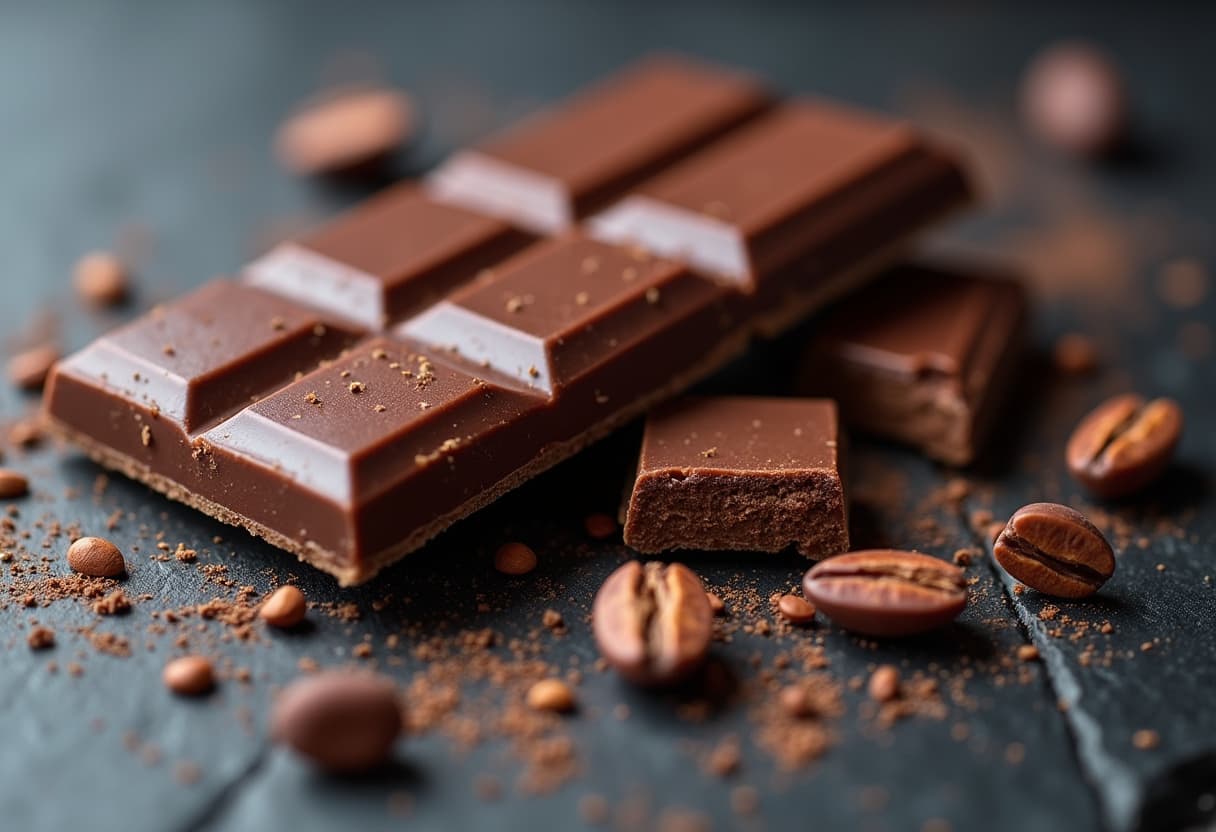
Chocolate and keto can absolutely coexist. The trick is knowing which bars keep your blood sugar flat and your carb count low, and which ones quietly blow your daily budget.
Low-carb chocolate works on keto when it is 85% cacao or higher (around 3-4g net carbs per ounce) or made with keto sweeteners like erythritol, allulose, or stevia (1-3g net carbs per ounce). The number that matters is net carbs, which equals total carbs minus fiber and sugar alcohols. Keep servings to about 1 ounce (30g), and avoid bars sweetened with maltitol, which still spikes blood sugar.
What makes chocolate low-carb or keto-friendly
Regular milk chocolate is mostly sugar, with 15-25g of carbs per ounce. To make chocolate keto, manufacturers do one of two things: increase the cacao percentage (which displaces sugar) or replace sugar entirely with non-nutritive sweeteners.
The three pillars of a good keto chocolate bar are:
- High cacao percentage (85% or more) or a sugar-free formula
- Keto sweeteners such as erythritol, allulose, stevia, or monk fruit
- Low net carbs, ideally 1-3g per serving
Cacao itself contains fiber, which is why net carbs come in well below total carbs on a quality dark bar.
Dark chocolate carb counts by cacao percentage
The higher the cacao, the lower the sugar. Here is roughly how plain dark chocolate (no special sweeteners) stacks up per 1 ounce (28-30g):
| Cacao % | Total carbs | Net carbs | Notes |
|---|---|---|---|
| 70% | ~13g | ~10-11g | Too high for strict keto |
| 78% | ~10g | ~7-8g | Occasional treat only |
| 85% | ~9g | ~4-5g | Fits most keto plans |
| 90% | ~8g | ~3g | Very keto-friendly |
| 100% | ~9g | ~2-3g | Unsweetened, bitter, lowest sugar |
A standard chocolate bar is often 3-3.5 ounces, so a single ounce is roughly one-third of the bar, or 2-3 small squares. Portioning matters: even 85% chocolate adds up fast if you eat half a bar.
Best low-carb and keto chocolate brands
A few well-known options consistently land in the keto-friendly range. Carb counts below are approximate per serving and can vary by flavor, so always confirm on the package.
| Brand | Type | Approx. net carbs |
|---|---|---|
| Lily's | Sugar-free bars & chips (stevia/erythritol) | ~1-4g per serving |
| ChocZero | Sugar-free, no sugar alcohols (monk fruit) | ~1-3g per serving |
| Lindt Excellence 90% / 95% | High-cacao dark | ~3g per 4 squares |
| Hu Kitchen | Dark, simple ingredients | ~5-7g per serving (varies) |
| Ghirardelli 86% | High-cacao dark | ~4-5g per serving |
Lily's and ChocZero are purpose-built for low-sugar eating and are among the easiest to find. ChocZero leans on monk fruit and skips sugar alcohols entirely, which some people find gentler on digestion. For plain dark chocolate, the high-cacao lines from Lindt and Ghirardelli are widely available and reliable.
Read the label: sweeteners and net carbs
Two bars can both say "sugar-free" and behave completely differently in your body. The sweetener tells the real story.
- Erythritol — minimal blood sugar impact, not counted as net carbs, may have a slight cooling taste.
- Allulose — tastes very close to sugar, gentle on most stomachs, subtracted from net carbs.
- Stevia and monk fruit — zero-calorie, often blended with erythritol.
- Maltitol — the one to watch. It raises blood glucose and counts toward digestible carbs, so a "sugar-free" maltitol bar may not be keto at all.
To calculate net carbs yourself: total carbohydrates − fiber − sugar alcohols = net carbs. Many keto chocolate labels do this math for you, but doing it by hand is the safest habit.
How much keto chocolate can you eat?
On a standard keto plan of 20-50g net carbs per day, chocolate is a treat, not a staple. A reasonable approach:
- 1 ounce (about 30g) of 85-90% dark = roughly 3-4g net carbs
- 1 serving of a sugar-free keto bar = roughly 1-3g net carbs
That leaves plenty of room in your day for vegetables and other whole foods. The bigger risk with keto chocolate is not the carbs but overeating it because it "feels free." Sugar alcohols in large amounts can also cause bloating or GI upset, so a one-ounce ceiling keeps both your carbs and your stomach happy.
A simple buying checklist
Before you add a bar to your cart, scan for these:
- Net carbs of 1-4g per serving
- Sweetened with erythritol, allulose, stevia, or monk fruit (not maltitol)
- 85%+ cacao if it is plain dark chocolate
- No "sugar" in the first few ingredients
- A serving size you can actually stick to
Once you find a bar you like, log it so a square or two does not quietly become half a bar. CarbMeNot makes it easy to scan a wrapper, capture the exact net carbs, and watch how that evening square fits into your daily budget, so you can enjoy chocolate on keto without guessing. Track it, stay in your range, and let dessert stay on the menu.
Frequently asked questions
- How many carbs are in keto chocolate?
- Most keto chocolate has 1-3g net carbs per serving (about 1 ounce or 30g), because sugar is replaced with erythritol, allulose, or stevia. Plain 85% dark chocolate runs around 4g net carbs per ounce, while 90%+ dark drops to about 3g. Always check net carbs, which subtract fiber and sugar alcohols from total carbs.
- Can you eat dark chocolate on keto?
- Yes, in moderation. Dark chocolate that is 85% cacao or higher fits most keto plans, with roughly 3-4g net carbs per ounce. Stick to 1-2 squares (about 1 ounce) and choose bars with no added sugar to stay within a typical 20-50g daily carb budget.
- What is the best sugar substitute in keto chocolate?
- Erythritol, allulose, stevia, and monk fruit are the most common because they have little to no impact on blood sugar and are not counted as net carbs. Allulose and erythritol blends tend to taste closest to sugar without a cooling aftertaste. Avoid bars sweetened with maltitol, which can spike blood sugar and cause digestive upset.
- Is sugar-free chocolate the same as keto chocolate?
- Not always. Sugar-free chocolate has no added sugar, but some brands use maltitol, which still raises blood glucose and adds digestible carbs. True keto chocolate is sugar-free AND uses keto-friendly sweeteners like erythritol or allulose, keeping net carbs at 1-3g per serving.
- Why does keto chocolate sometimes cause stomach upset?
- Sugar alcohols, especially maltitol and large amounts of erythritol, can ferment in the gut and cause bloating, gas, or diarrhea. Allulose and small servings are usually gentler. If a bar bothers you, check the sweetener on the label and limit yourself to one ounce at a time.
Sources
Keep reading
Free tools: Is It Keto? checker · macro calculator · protein calculator · 7-day meal plan PDF