Is Keto Gluten-Free? What You Need to Know
Is keto gluten-free? Not automatically. Naturally keto foods like meat and eggs have zero gluten, but ~20% of keto products hide wheat. Here's how to tell.

Editorial Team · March 2, 2026 · 5 min read
Last updated June 15, 2026
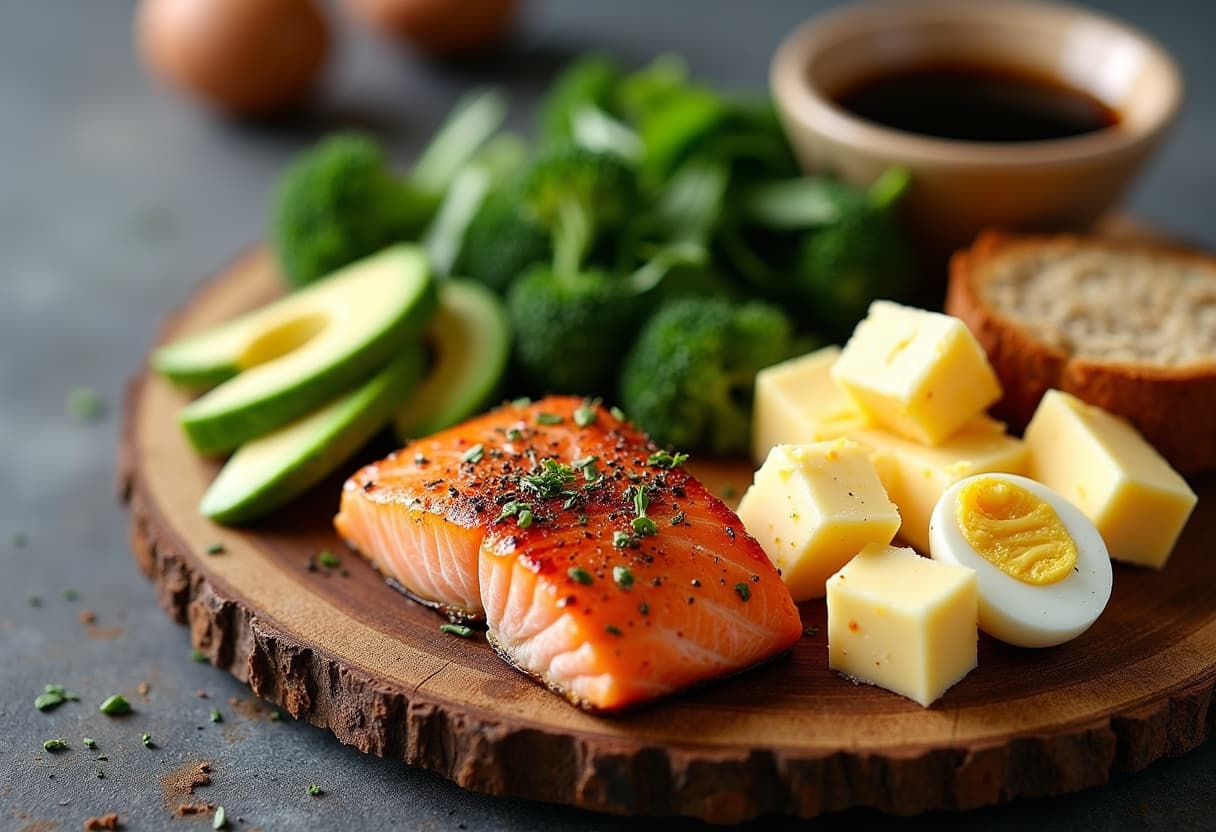
If you're managing both carbs and gluten, it's natural to assume one solves the other. They overlap a lot, but they are not the same thing.
Keto is not automatically gluten-free. Whole keto staples like meat, fish, eggs, cheese, butter, oils, nuts, and non-starchy vegetables are naturally 100% gluten-free, so a "clean keto" plate is usually safe. However, many packaged keto products contain hidden gluten: vital wheat gluten, seitan, malt, and wheat-based soy sauce all show up in low-carb breads, bars, and sauces. If you have celiac disease or gluten sensitivity, you still need to read every label, because roughly 1 in 5 commercial keto bakery products use wheat protein.
Why keto and gluten-free overlap so much
Gluten is a protein found in wheat, barley, rye, and their relatives. The biggest dietary sources of gluten are also the biggest dietary sources of carbs: bread, pasta, cereal, pizza crust, crackers, and pastries. When you cut carbs to reach ketosis (typically 20-50g net carbs per day), you eliminate almost all of these foods by default.
That's why a question like is gluten free keto often answers itself in practice. A standard slice of wheat bread has about 13-15g net carbs and 2-3g of gluten. Drop the bread, and you've dropped the gluten too. This is also why so many people with celiac disease find keto easy to adopt.
Where keto and gluten-free split apart
The overlap breaks down with processed "keto" and "low-carb" foods. To make a bread-like product that's still low in carbs, manufacturers often reach for vital wheat gluten, which is wheat protein with the starch removed. It's low-carb and high-protein, so it fits keto macros perfectly, but it's almost pure gluten.
Common keto foods that may contain gluten:
| Food | Gluten source | Keto-friendly? | Gluten-free? |
|---|---|---|---|
| Low-carb / "keto" bread | Vital wheat gluten | Often yes | Frequently NO |
| Seitan | Pure wheat gluten | Yes (~4g net carbs/oz) | NO |
| Soy sauce | Brewed with wheat | Yes (<1g carb/tbsp) | NO |
| Some keto protein bars | Wheat fiber, malt | Varies | Often NO |
| Beer / malt beverages | Barley malt | No (high carb) | NO |
| Many sausages & deli meats | Wheat filler/binder | Usually yes | Check label |
| Blue cheese (some brands) | Bread mold starter | Yes | Usually yes, verify |
The takeaway: low-carb does not mean gluten-free, and a product can be perfect on macros while still triggering a celiac reaction.
Naturally gluten-free keto staples
The good news is that the core of a keto diet is inherently safe. These whole foods contain zero gluten:
- Proteins: beef, pork, chicken, fish, shellfish, eggs (plain, unbreaded)
- Fats: butter, ghee, olive oil, avocado oil, coconut oil
- Dairy: most hard cheeses, heavy cream, full-fat Greek yogurt
- Vegetables: spinach, broccoli, cauliflower, zucchini, asparagus, leafy greens
- Extras: avocado, olives, most nuts and seeds, berries in small amounts
Build your meals around these and you satisfy is keto gluten free automatically, with no label-reading required.
Gluten-free keto baking swaps
If you bake, you don't need wheat gluten at all. The two workhorse keto flours are both naturally gluten-free.
| Ingredient | Net carbs (per 2 tbsp / ~14g) | Gluten-free? |
|---|---|---|
| Almond flour | ~3g | Yes |
| Coconut flour | ~5g | Yes |
| Ground flaxseed | ~0g | Yes |
| Psyllium husk | ~0g | Yes |
| Vital wheat gluten | ~2g | NO |
| All-purpose wheat flour | ~21g | NO |
Almond and coconut flour, often combined with psyllium husk or flax for structure, replace wheat in keto breads, muffins, and tortillas. Just choose brands marked certified gluten-free, since some nut and seed flours are milled in facilities that also handle wheat and can carry cross-contamination.
How to read labels with both goals in mind
When you're shopping, scan for two separate things:
- Net carbs (total carbs minus fiber and most sugar alcohols) to confirm it fits your keto target.
- Gluten in the ingredients and allergen statement.
Watch for these wheat- and gluten-containing terms even on "keto" packaging: vital wheat gluten, wheat protein, seitan, malt, malt extract, barley, rye, brewer's yeast, modified food starch (if from wheat), and regular soy sauce. The safest signal is a "Certified Gluten-Free" seal, which in the U.S. means under 20 parts per million of gluten, the threshold the FDA allows for the gluten-free claim.
For sauces, swap regular soy sauce for tamari or coconut aminos, which deliver the same umami at similar carb counts without the wheat.
The bottom line
Keto and gluten-free are close cousins, not twins. Eat whole, single-ingredient keto foods and you're gluten-free by default. Reach for processed keto bread, bars, or seitan, and gluten can sneak right back in. If you have celiac disease, treat keto as a head start, not a guarantee, and keep reading labels.
The easiest way to stay on top of both is to log what you eat. In CarbMeNot you can track net carbs per meal and flag the packaged products you've verified as gluten-free, so you build a personal shortlist of items that satisfy both diets at once. Scan a barcode, check the macros, confirm the label, and move on with confidence.
Frequently asked questions
- Is the keto diet automatically gluten-free?
- No. The keto diet is not automatically gluten-free. While whole keto foods like meat, fish, eggs, cheese, and non-starchy vegetables are naturally gluten-free, many packaged keto products contain wheat-based ingredients such as vital wheat gluten, soy sauce, or seitan. If you have celiac disease, you must still read every label.
- Can people with celiac disease do keto?
- Yes. Keto and a gluten-free diet are highly compatible because both eliminate bread, pasta, and most baked goods. People with celiac disease can follow keto safely as long as they choose certified gluten-free products and avoid keto items made with vital wheat gluten or seitan, which is pure gluten.
- Does vital wheat gluten contain carbs?
- Vital wheat gluten is very low in carbs (about 4g net carbs per ounce) and high in protein, which is why it appears in many low-carb breads, bagels, and tortillas. It is keto-friendly on macros but is 75-80% gluten by weight, making it completely off-limits for anyone with celiac disease or gluten sensitivity.
- Is almond flour and coconut flour gluten-free?
- Yes. Almond flour and coconut flour are naturally gluten-free and are the two most common bases for keto baking. Almond flour has about 3g net carbs per 2 tablespoons and coconut flour about 5g net carbs per 2 tablespoons. Buy ones labeled certified gluten-free to avoid cross-contamination from shared facilities.
- Is soy sauce keto and gluten-free?
- Regular soy sauce is keto-friendly (under 1g carb per tablespoon) but is NOT gluten-free because it is brewed with wheat. Use tamari or coconut aminos instead, both of which are gluten-free and have similar carb counts.
Sources
Keep reading
Free tools: Is It Keto? checker · macro calculator · protein calculator · 7-day meal plan PDF