Does Cheese Have Carbs? Carbs in Every Popular Cheese
Yes, cheese has carbs, but most aged cheeses have under 1g per ounce. See exact carb counts for cheddar, mozzarella, brie, and 20+ varieties.

Editorial Team · September 26, 2025 · 5 min read
Last updated June 7, 2026
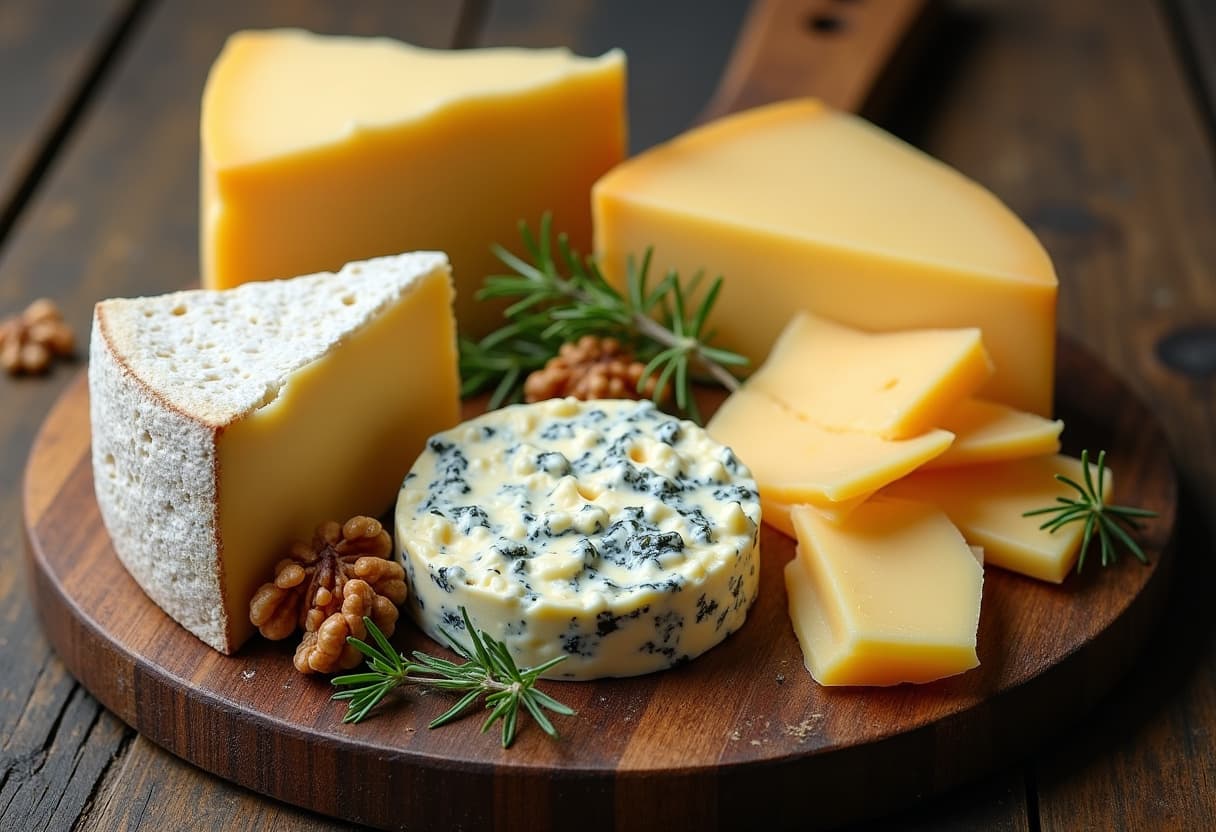
If you're counting carbs, cheese is one of the most reassuring foods on your plate. But "low" isn't the same as "zero," and the number depends a lot on which cheese you grab.
Yes, cheese has carbs, but most have very few. Aged hard cheeses like cheddar, parmesan, gouda, and Swiss contain 0 to 1 gram of carbohydrate per ounce, while soft and fresh cheeses such as cottage cheese and ricotta run higher (4 to 8 grams per half cup) because they still hold milk sugar. For nearly every aged or hard cheese, you can treat it as a near-zero-carb, high-fat food.
Why Cheese Has Any Carbs at All
The carb in cheese is lactose, the natural sugar in milk. Fresh milk contains roughly 12 grams of lactose per cup. When milk is turned into cheese, most of that sugar is left behind in the watery whey that drains off, and the bacteria used to make cheese ferment much of what remains into lactic acid.
That's why aging matters so much. The longer a cheese ages, the more lactose its cultures consume. A sharp aged cheddar or a wedge of parmesan that has matured for a year or more has essentially no measurable sugar left. Fresh cheeses, on the other hand, are made quickly and retain more of the original milk sugar, so they carry more carbs per serving.
Is Cheese a Carb? Where It Actually Fits
Cheese is not a carb food. By macronutrients, an ounce of cheddar is about 70% fat and 30% protein by calories, with carbohydrate making up only a sliver. Nutrition guidelines place cheese in the dairy and protein groups, not with breads, grains, or starches.
So when you ask "is cheese a carb," the honest answer is that it's a fat-and-protein food that happens to contain a trace of carbohydrate. For low-carb and keto eaters, that makes it one of the easiest foods to build meals around.
Carbs in Popular Cheeses (Per 1 oz / 28g)
Here are typical carb counts for common cheeses. Values are approximate and rounded; brands and aging vary, so always check the label when one is available.
| Cheese | Carbs (per 1 oz) | Calories | Fat | Protein |
|---|---|---|---|---|
| Parmesan (aged) | 0.9 g | 110 | 7 g | 10 g |
| Cheddar | 0.4 g | 115 | 9 g | 7 g |
| Mozzarella (whole milk) | 0.6 g | 85 | 6 g | 6 g |
| Swiss | 0.5 g | 110 | 8 g | 8 g |
| Gouda | 0.6 g | 100 | 8 g | 7 g |
| Brie | 0.1 g | 95 | 8 g | 6 g |
| Blue cheese | 0.7 g | 100 | 8 g | 6 g |
| Cream cheese | 1.2 g | 100 | 10 g | 2 g |
| Goat cheese (soft) | 0.3 g | 75 | 6 g | 5 g |
| Feta | 1.2 g | 75 | 6 g | 4 g |
| Provolone | 0.6 g | 100 | 8 g | 7 g |
| Monterey Jack | 0.4 g | 105 | 9 g | 7 g |
| American (processed single) | 1.5 g | 60 | 5 g | 3 g |
| Colby | 0.7 g | 110 | 9 g | 7 g |
The pattern is clear: nearly every natural cheese lands under 1.5 grams of carbohydrate per ounce. You'd have to eat a quarter pound of cheddar to reach about 2 grams of carbs.
The Higher-Carb Exceptions
A few cheeses and cheese products carry noticeably more carbs, mostly because they're fresh, soft, or have ingredients added.
| Cheese / Product | Carbs | Serving |
|---|---|---|
| Cottage cheese (full fat) | 4–6 g | 1/2 cup |
| Ricotta (whole milk) | 4 g | 1/2 cup |
| Cottage cheese (low/nonfat) | 6–8 g | 1/2 cup |
| Processed cheese spread | 2–3 g | 1 oz |
| Shredded cheese (anti-cake added) | up to 1 g extra | per oz |
Two things to watch. First, pre-shredded bagged cheese is dusted with starch (often potato or cellulose) to keep it from clumping, which can add a fraction of a gram per ounce. Second, "cheese product" or "cheese spread" labels often contain added milk solids and fillers, so they run higher than the natural cheese they imitate. Flavored cheese spreads with fruit, honey, or cranberry can climb much higher.
Is Cheese Keto? How to Use It Well
For a ketogenic diet, most cheese is close to ideal. It's high in fat, supplies quality protein, and contributes almost nothing to your daily carb limit. A few practical notes:
- Lean on aged and hard cheeses (parmesan, aged cheddar, gouda, Swiss) when you want the lowest possible carbs.
- Portion cottage cheese and ricotta. They're keto-compatible but their carbs add up faster than hard cheese, so measure rather than eyeball.
- Mind the protein. Cheese is moderate-protein, and very large amounts of protein can blunt ketosis for some people. This rarely matters at normal serving sizes.
- Skip sweetened spreads and any "cheese" labeled as a spread or product if you're tracking tightly.
Net Carbs and Cheese
Net carbs (total carbs minus fiber) don't change much for cheese, because cheese has no fiber. That means total carbs and net carbs are effectively the same number. The good news is that number is already tiny, so there's no math to do beyond reading the label.
If you want to keep an exact running total, log your cheese in CarbMeNot. It carries per-ounce carb and net-carb numbers for the common varieties above and flags which ones are keto-friendly, so you can see at a glance whether that extra slice fits your day. Track it once and you'll quickly learn that cheese is one of the safest foods on a low-carb plate.
Frequently asked questions
- Does cheese have carbs?
- Yes, but very few. Most aged hard cheeses like cheddar, parmesan, and gouda have 0 to 1 gram of carbohydrate per ounce. Soft and fresh cheeses such as cottage cheese, ricotta, and processed cheese slices have more because they retain milk sugar (lactose), but even those usually stay under 4 grams per serving.
- Is cheese a carb or a protein?
- Cheese is primarily a fat and protein food, not a carb. A typical ounce of cheddar has about 9 grams of fat and 7 grams of protein but less than 1 gram of carbohydrate. Nutritionally, cheese belongs in the protein and dairy groups, not the starch or carb category.
- Which cheese has the lowest carbs?
- Aged hard cheeses have the fewest carbs. Parmesan, aged cheddar, Swiss, gouda, brie, blue cheese, and cream cheese all contain roughly 0 to 1 gram of carbohydrate per ounce, because aging and fermentation consume nearly all of the lactose.
- Is cheese keto-friendly?
- Most cheese is excellent for keto. Hard and aged cheeses are high in fat, moderate in protein, and nearly carb-free, which fits a ketogenic macro split perfectly. Watch portions on higher-carb options like cottage cheese and processed slices, and skip sugary cheese spreads.
- How many carbs are in a slice of cheese?
- A single slice of natural cheddar or Swiss has under 1 gram of carbs. A processed American cheese single (the individually wrapped kind) has about 1 to 2 grams because of added milk solids and stabilizers. Check the label, since processed slices vary by brand.
Sources
Keep reading
Free tools: Is It Keto? checker · macro calculator · protein calculator · 7-day meal plan PDF